
Case Study: Transforming Soil with High-Quality Compost (even for turf)
KG
Using Forest Gold Compost To Prep For Sod
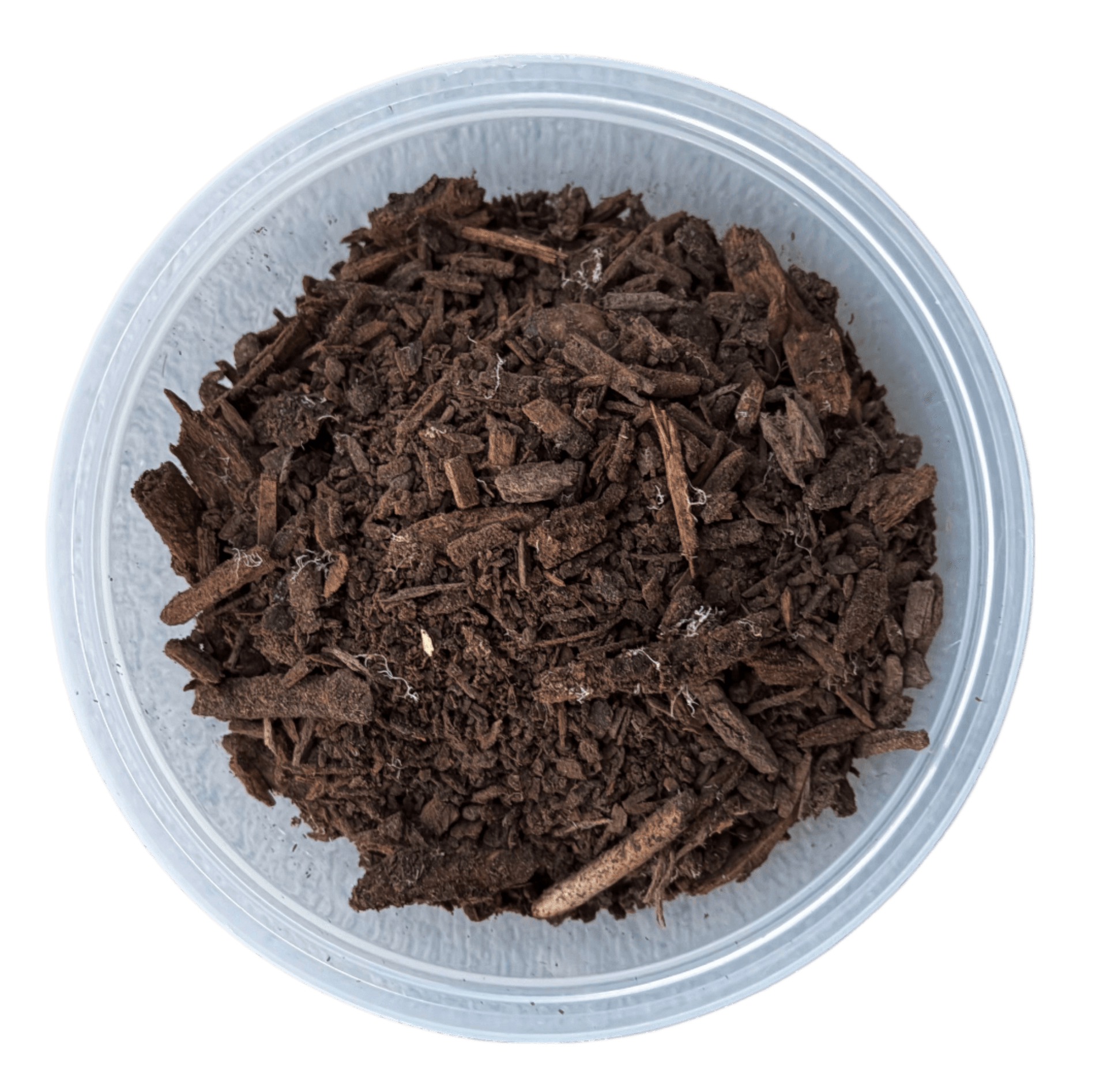
Turf is almost always undervalued when it comes soil prep budget. The cheapest compost is generally chosen because not much thought is given to the issues poor soil prep may cause down the road. Nutrition, water retention and weed load can very often be improved by using the proper techniques and the high quality materials.
A client was looking to add new sod and irrigation to the backyard of the home that they had just moved in to. Their house was built five years prior, and their specific development started on farmland. The development project had stalled and the undeveloped land sat fallow and bare for 15 years before building resumed.
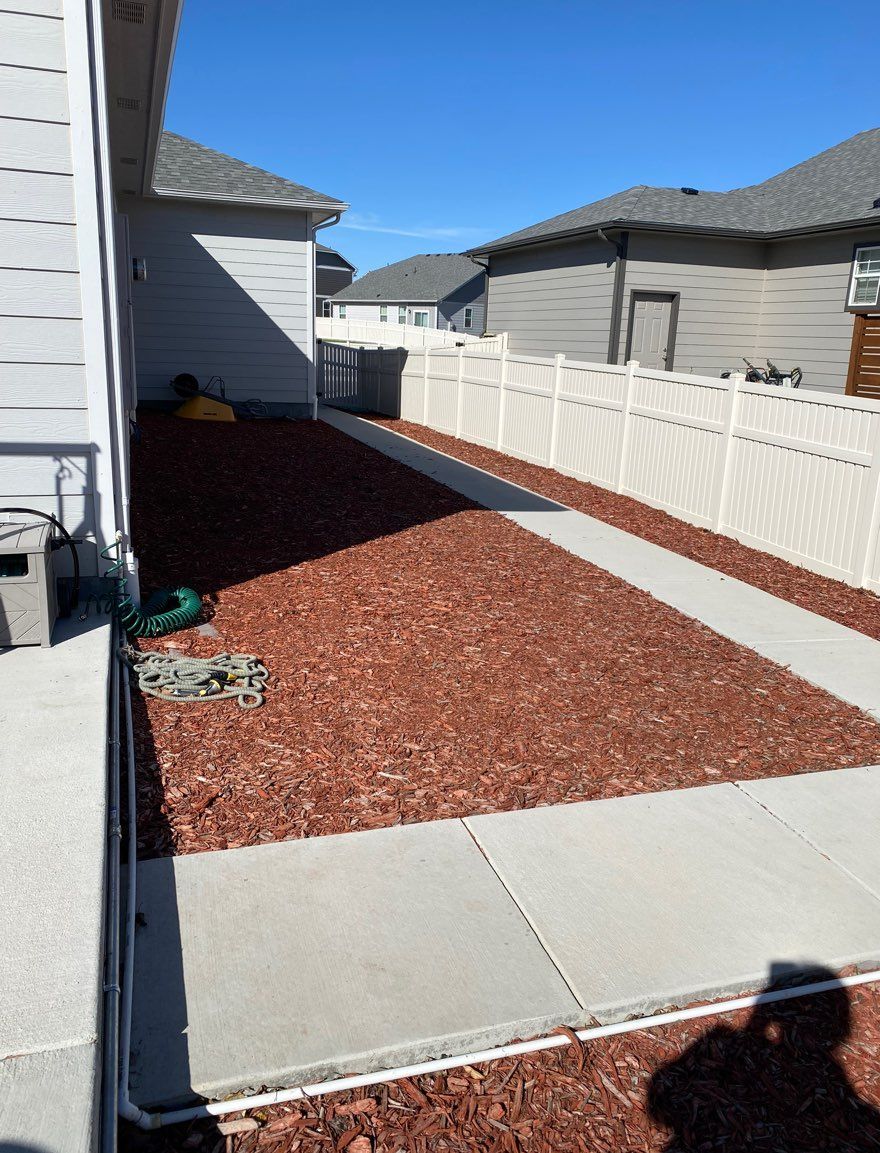
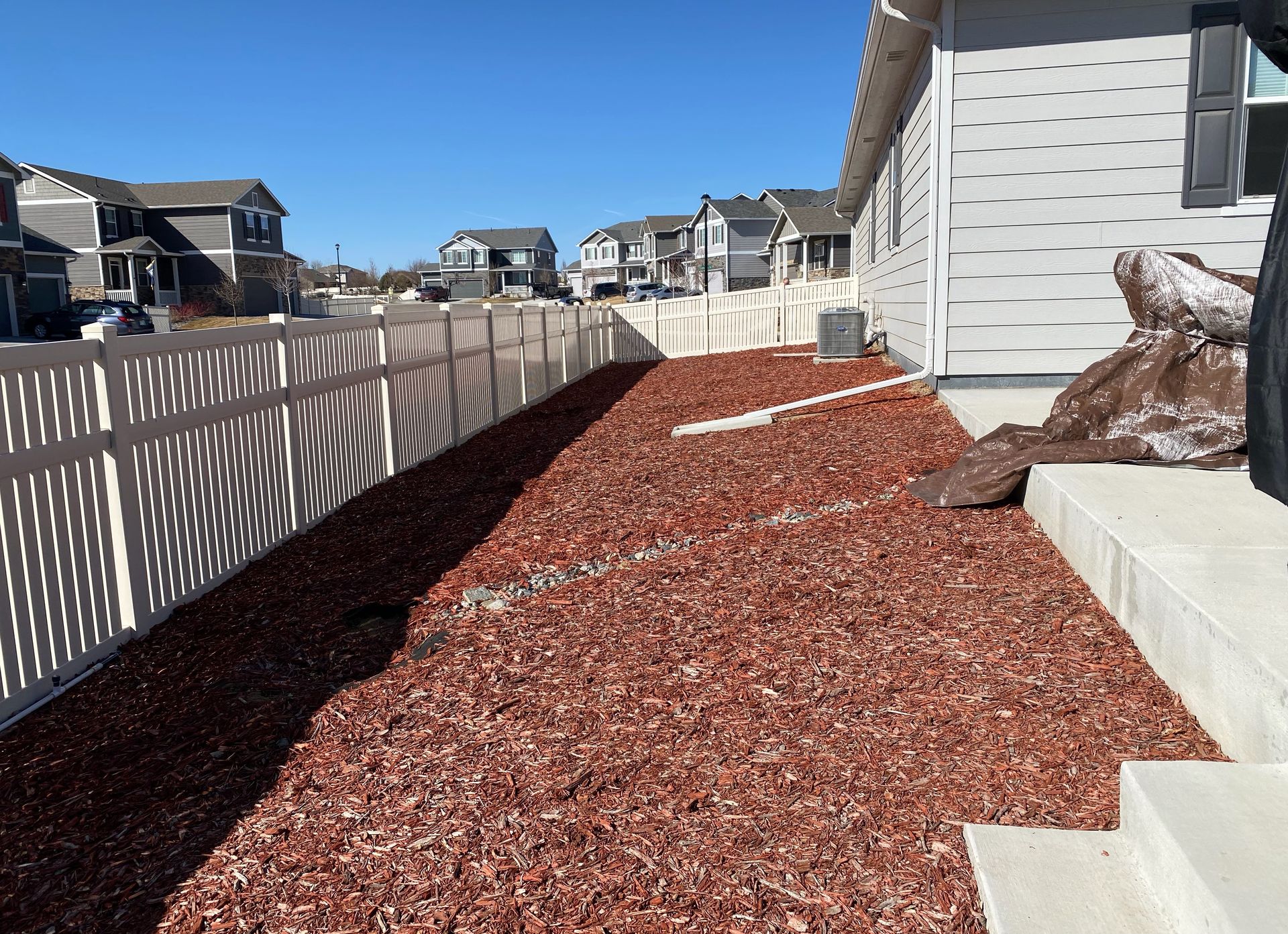
The previous home owner had let weeds go rampant in the backyard for five years, and had only thrown down weed fabric and dyed mulch when they put the house on the market. The back yard had no irrigation and was completely covered in fabric and mulch. Goatheads and bindweed were the prominent weeds, popping up everywhere they had an opportunity.
The Prep
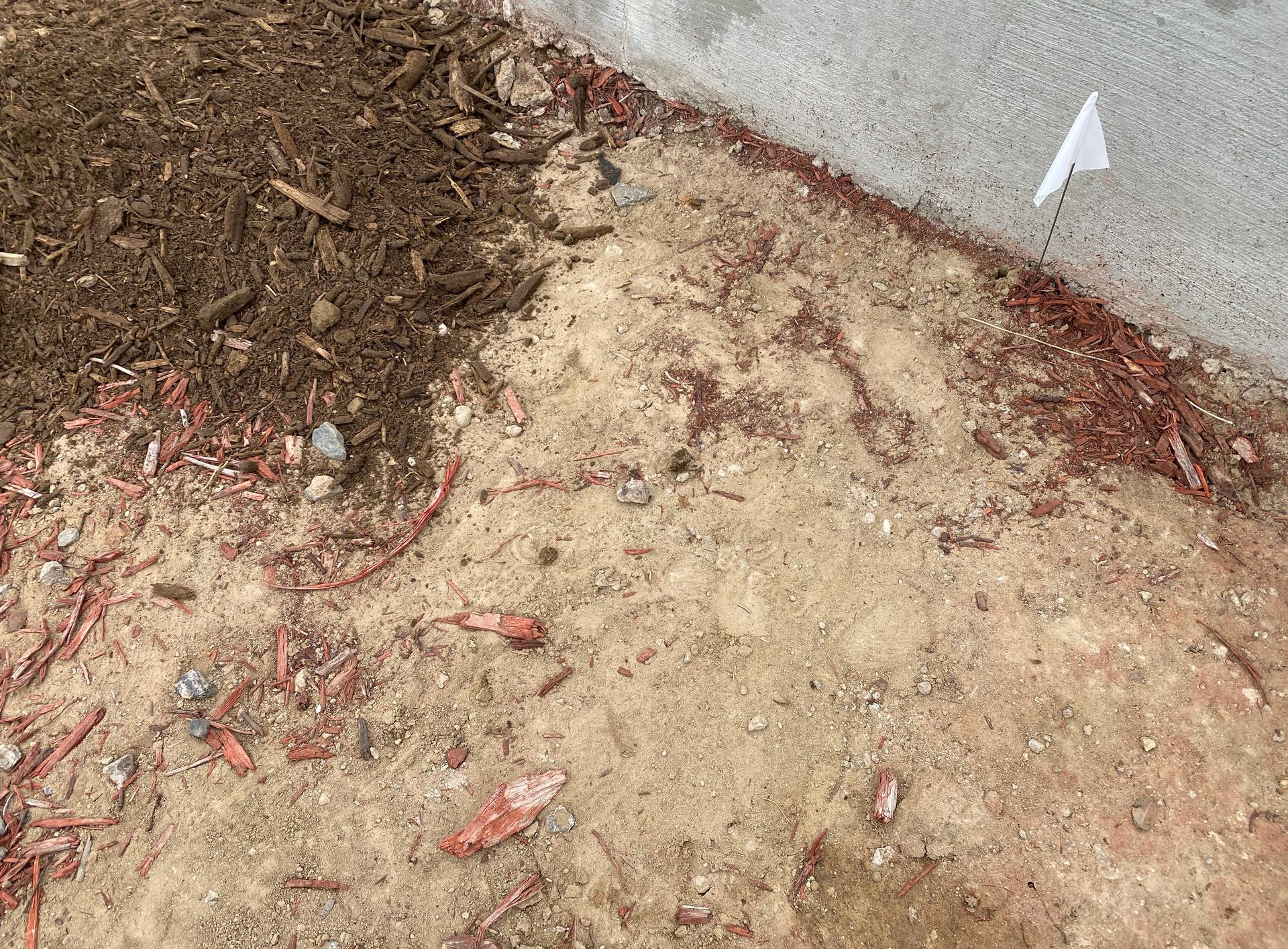
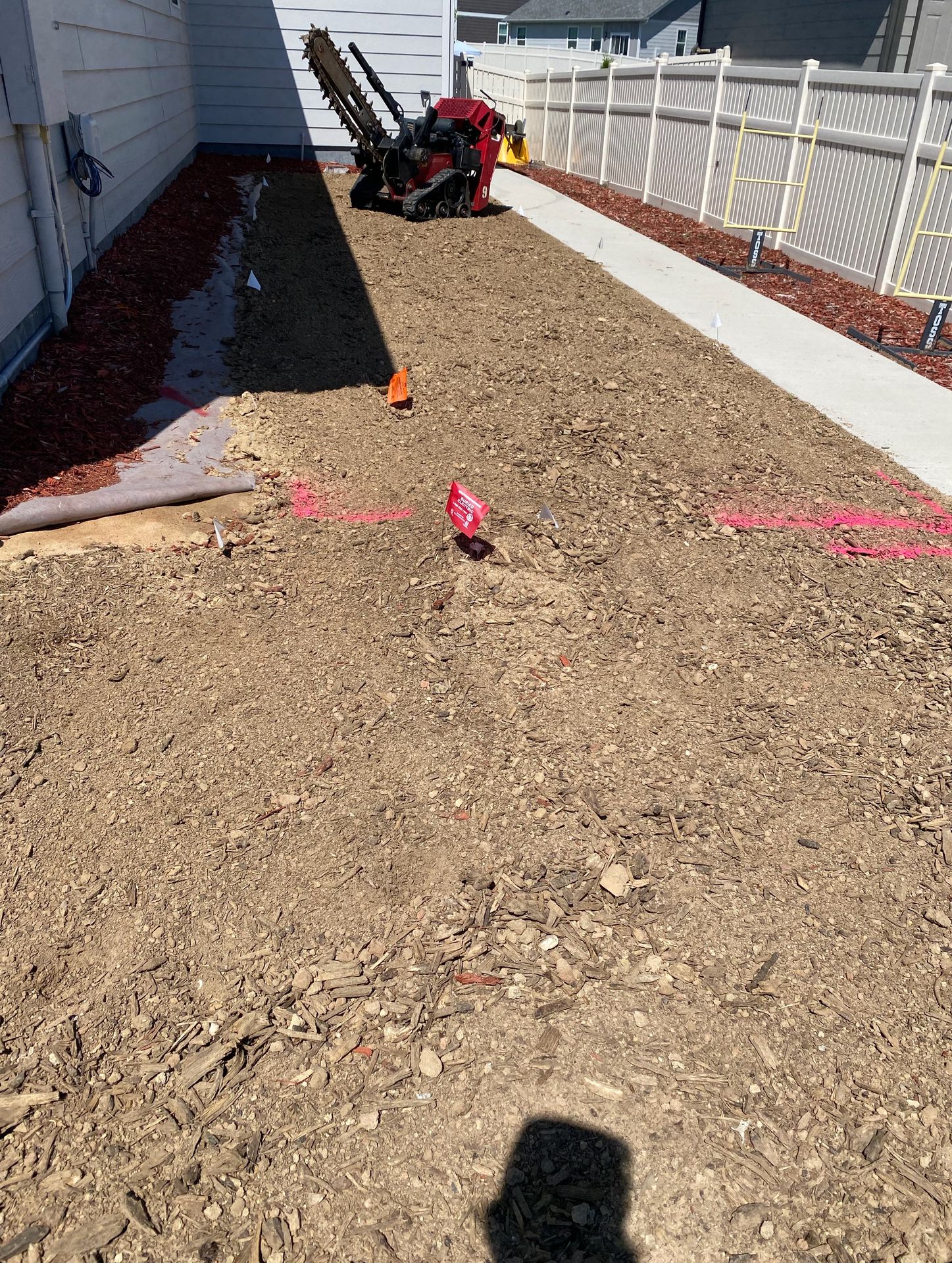
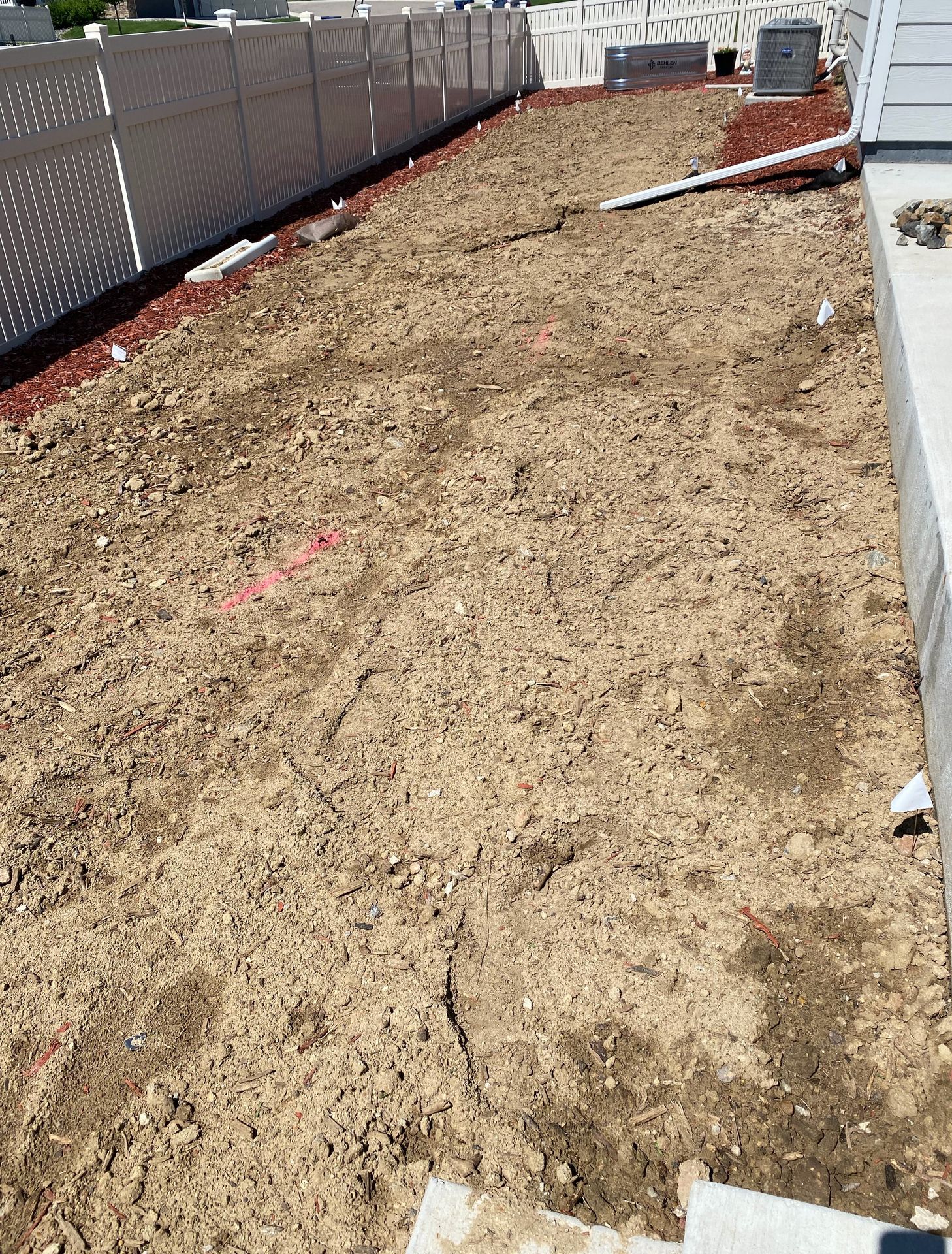
Mulch and weed fabric were removed from the area to be sodded, and Forest Gold compost was spread approximately 3" deep on top of the existing soil. Because there was no irrigation installed yet, broadforks were used to turn the soil to 14", incorporating the compost.


The Final Till
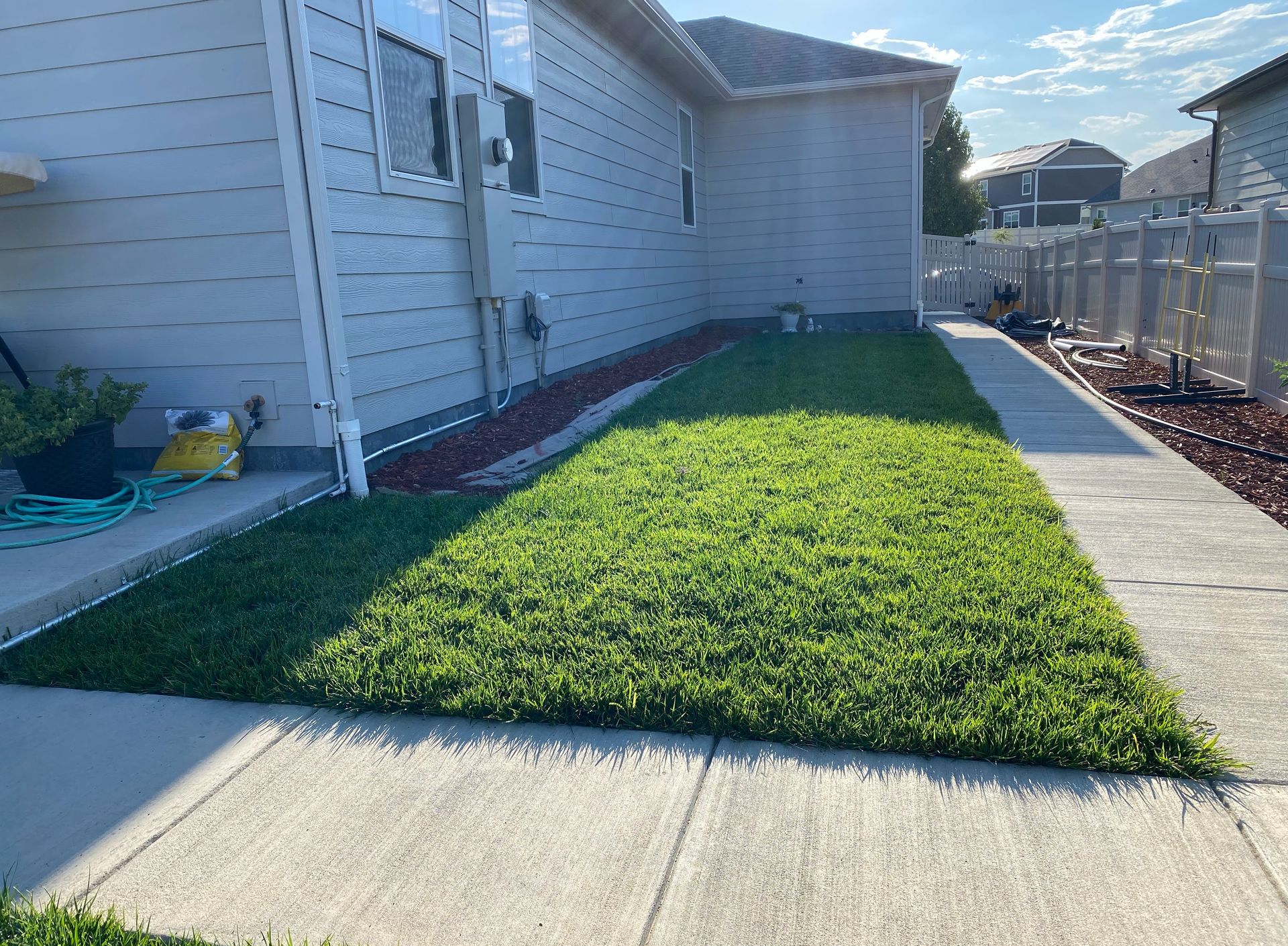
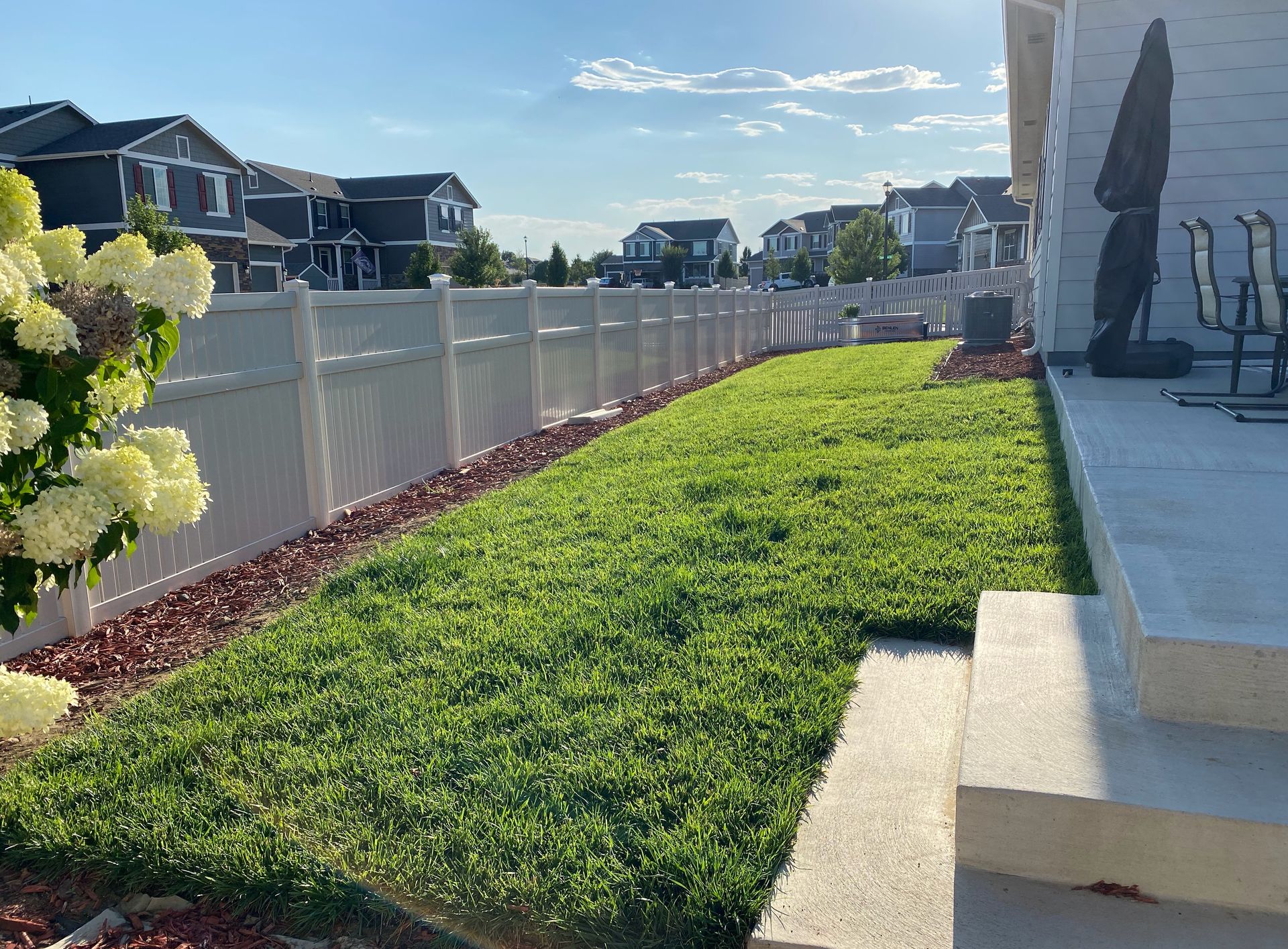
Irrigation was installed and a final till was performed with a rototiller at 3-4" deep. Fine grading was done, and sod was laid.
Case Study: Results and Observations
The entire project was completed on weekends. The first weekend was in mid-May, and the soil remained uncovered (except for protection from a couple heavy rains) until the sod was laid around the 4th of July.
Throughout the project, weeds in the treated area never became an issue. A few weeds were pulled in a band where the treated and untreated areas met, but only in one section, and it amounted to less than a dozen plants.
After the sod was installed (early July), the homeonwers reported only pulling 3-4 weeds from the sodded area until the turf went dormant (late October).
Honestly, these first year results were much better than expected.
Unfortunatley traditional soil tests were not performed before work began, but observation of native areas and landscape plant performance in the area suggest degraded soil quality, as did the history of the site. The prolonged exposure of the soil likely created a greatly oxidized, alkaline soil. The soil biology was evaluated, and not much more than bacteria was present in the soil.
The project preparation involved tilling the soil, fragmenting weed roots, exposing seeds to light and the adding water and should have greatly increased the weed load, but it did not. This is where the quality of the compost comes in. (The deep-aeration also helped.)
High-quality compost supports soil health in a wide range of important ways. In addition to supplying living soil biology and the organic matter that feeds it, compost introduces valuable humic acids, essential minerals, and organic compounds that improve overall soil function. It helps create air space for healthy root growth, boosts water-holding capacity, buffers nutrients to keep them available to plants, and contributes organic and amino acids that drive long-term soil vitality.
The compost used in this case, Forest Gold, is blend of traditionally prepared commercial compost mixed with aged wood chips from a forest clearing culling dead pine trees. This compost is low in salts, contains no dairy manure or biosolids, is not turned after the heating process is complete, and is aged and watered for 7-8 months. This results in a compost with much higher fungal content than commercially available composts.
During the next growing season soil tests will be taken and any changes to site conditions will be shared. Stay tuned!